
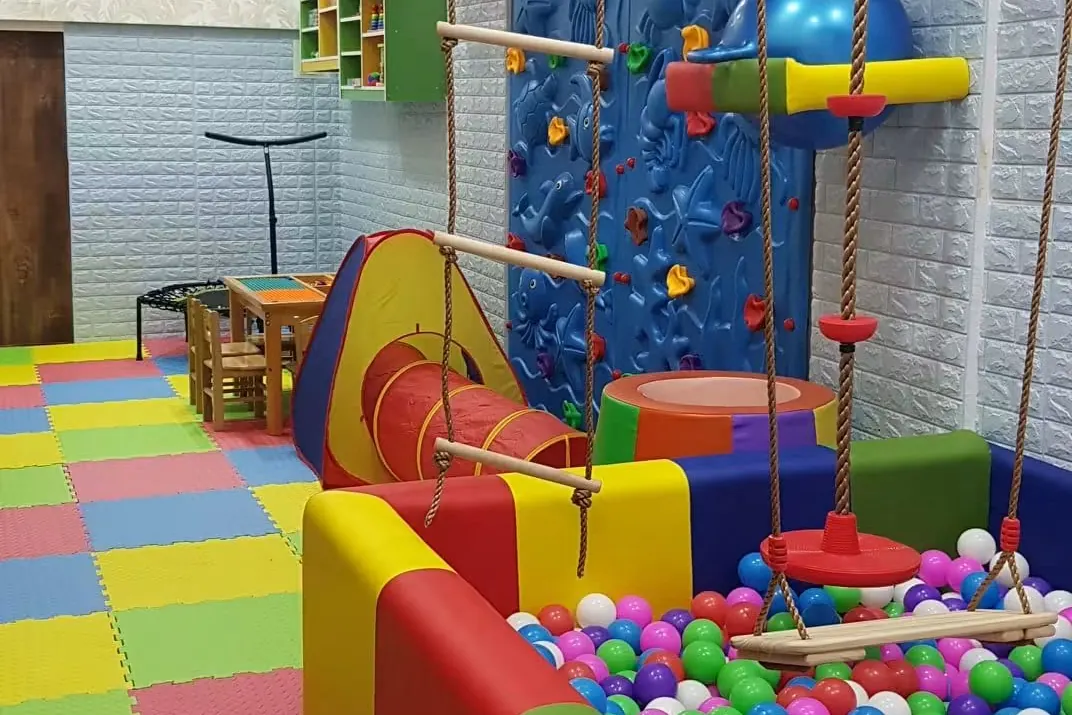
 Sensory
A child may cover their ears at everyday sounds, refuse certain clothing, avoid crowded places, or react intensely to situations that seem manageable to others. These reactions are not about behaviour or defiance, they are closely linked to how a child processes sensory input.
Every child processes sensory information differently. The brain constantly receives input from the environment through sound, touch, sight, movement, and smell. For most children, this information is organised and filtered automatically. However, for some children, sensory input can feel too intense, too overwhelming, or sometimes even too dull.
Some children are highly sensitive to sensory input (sensory over responsiveness). A normal sound may feel too loud, clothing tags may feel irritating, bright lights may feel overwhelming, and crowded spaces may feel chaotic.
Common triggers include sounds (vacuum cleaners, traffic, loud voices), textures (certain fabrics, food textures), environments (crowded places, busy classrooms), and unexpected changes. Children may cover their ears, refuse certain clothes, avoid certain foods, or have meltdowns in noisy places.
Occupational therapy with a sensory integration approach helps children regulate these responses and participate more fully in daily life.