
Psychotherapy/
A safe space to be heard
What is Psychotherapy/Counseling?
Psychotherapy offers a safe, confidential, and supportive space to understand your perceptions, thoughts, emotions, behaviors, relationships, and life experiences. Whether you are managing stress, anxiety, low mood, relationship concerns, life changes, or simply seeking greater self-understanding, therapy can provide meaningful support. Our approach is personalized to your needs, cultural background, age, and goals. We work with children, adolescents, adults, couples, families, and older adults using evidence-based therapeutic approaches.
Play based approaches for young children, talking therapy for teens and adults, and parent guidance sessions, all delivered by qualified psychologists in a calm, private setting at our Dubai centre.
- Healthier emotional expression and regulation
- Reduced anxiety and daily distress
- Stronger family communication
- Practical coping strategies that last

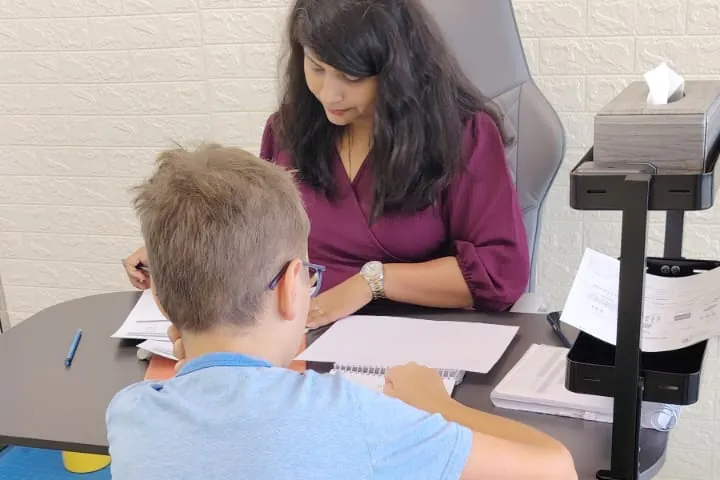

“Psychotherapy that meets you where you are, with understanding, evidence-based care, and respect for your individual and cultural context.”
Psychotherapy/ Psychological Counselling in Dubai
What psychotherapy is, and how we approach it at Belief Shaping Therapies.
What is Psychotherapy?
Psychotherapy is a structured and collaborative process between you and a trained mental health professional. It provides a confidential space to talk openly about thoughts, emotions, behaviors, relationships, and experiences that may be difficult to manage on your own.
Therapy can help you understand patterns that may be affecting your wellbeing and develop healthier ways of responding to challenges. Some people seek therapy during a particularly difficult period, while others come because they want to understand themselves better, improve their relationships, or make positive changes in their lives.
There is no single reason or “right time” to begin therapy. The goals and pace of therapy are different for every person.
Our Approach to Psychotherapy
We believe that effective therapy begins with a strong therapeutic relationship built on trust, respect, empathy, and collaboration.
Dubai is home to people from many cultural, linguistic, and professional backgrounds. We recognize that a person’s family structure, cultural background, values, relationships, faith, migration experiences, work environment, and community can all influence emotional wellbeing. Where relevant, these factors are considered as part of the therapeutic process rather than viewed in isolation.
Our therapists work with individuals and families from different stages of life and backgrounds, while maintaining professional boundaries, confidentiality, and respect for each person’s individuality.
The therapeutic approach is selected according to the person’s needs and may involve CBT, DBT, REBT, ACT, mindfulness-based approaches, supportive therapy, or an integrative combination of approaches.
The goal is not simply to manage symptoms, but to help individuals develop a deeper understanding of themselves, strengthen their coping abilities, improve relationships, and create meaningful and sustainable changes in their lives.
Areas of Psychotherapy
Individual Psychotherapy
One-to-one therapy to help you understand personal concerns, manage emotions, develop coping skills, and work towards meaningful change.
Individual psychotherapy involves one-to-one sessions with a therapist in a private and supportive setting. Sessions provide an opportunity to explore personal experiences, emotional difficulties, thoughts, behaviours, relationships, and patterns that may be affecting everyday life.
Therapy may focus on concerns such as anxiety, low mood, stress, self-esteem, relationship difficulties, life transitions, or personal growth. Together with your therapist, you can identify goals and work towards practical and meaningful changes.
Child & Adolescent Psychotherapy
Age-appropriate support to help young people understand and express emotions, manage challenges, build confidence, and develop healthier ways of coping.
Children and adolescents may experience emotional difficulties in ways that are different from adults. Changes in behaviour, school performance, friendships, sleep, mood, or family interactions can sometimes be signs that a young person is struggling.
Therapy is adapted to the child or adolescent’s age, developmental stage, personality, and concerns. Depending on their needs, sessions may include conversation, play, creative activities, behavioural strategies, or other age-appropriate techniques.
Parents and caregivers may also be involved when appropriate. The aim is to help young people understand and express their emotions, develop coping skills, strengthen relationships, and manage challenges more effectively.
Couples Therapy
A supportive space for couples to improve communication, understand recurring patterns, work through conflict, and strengthen their relationship.
Relationships can go through periods of stress, particularly when communication becomes difficult or couples find themselves having the same disagreements repeatedly.
Couples therapy provides a neutral and supportive space for partners to understand each other’s perspectives, improve communication, address recurring patterns, and work through areas of conflict.
Therapy may be helpful for couples experiencing communication difficulties, trust concerns, emotional distance, differences in expectations, major life transitions, or difficulties adjusting to changes in family life.
The focus is not on deciding who is right or wrong. Instead, therapy aims to help both partners understand the relationship dynamic and work towards healthier ways of connecting.
Family Therapy
Helps family members understand each other better, improve communication, manage conflict, and navigate changes or challenges together.
Family relationships can be deeply meaningful, but changes and challenges within a family can sometimes create tension or misunderstandings.
Family therapy brings family members together, when appropriate, to understand different perspectives, improve communication, manage conflict, and develop healthier ways of responding to one another.
It may be helpful during periods of significant change, parenting challenges, family conflict, adjustment difficulties, or when one family member’s concerns are affecting the wider family.
The therapist works to create a respectful environment where each person can be heard while keeping the family’s overall wellbeing in focus.
Anxiety & Stress Management
Support for excessive worry, fears, panic, stress, overthinking, and difficulties managing everyday pressures.
Anxiety and stress can affect concentration, sleep, physical wellbeing, relationships, work, studies, and everyday activities. At times, worry can become difficult to control or begin to interfere with daily life.
Therapy can help you understand the patterns contributing to anxiety and learn practical ways to manage difficult thoughts, emotions, and physical responses.
Depending on your needs, therapy may include techniques for managing worry, challenging unhelpful thinking patterns, gradually facing situations that have become difficult, improving emotional regulation, and developing healthier coping strategies.
Depression & Mood Concerns
Support for persistent sadness, loss of interest, low motivation, negative thinking, and changes affecting everyday functioning.
Low mood can affect motivation, energy, sleep, concentration, relationships, and interest in activities that once felt meaningful.
Psychotherapy can help individuals understand the thoughts, emotions, behaviours, and life circumstances associated with low mood. Therapy may focus on developing healthier routines, increasing meaningful activity, addressing negative or self-critical thinking, and building effective coping strategies.
Where symptoms are severe or significantly affecting daily functioning, psychotherapy may be combined with psychiatric or medical care when clinically appropriate.
Self-Esteem & Emotional Regulation
Helps individuals understand emotional patterns, manage difficult emotions, reduce self-criticism, and develop greater self-confidence.
The way we understand ourselves can influence our emotions, relationships, decisions, and confidence. Some people experience persistent self-criticism, insecurity, difficulty setting boundaries, or emotions that feel overwhelming.
Therapy can help individuals recognize emotional triggers, understand their responses, develop greater self-awareness, and learn healthier ways of managing difficult emotions.
Work on self-esteem may also involve developing a more balanced view of oneself, reducing harsh self-judgement, and building confidence through meaningful and achievable changes.
Trauma & Difficult Life Experiences
A safe and paced approach to understanding and processing the impact of distressing or overwhelming experiences.
Difficult or overwhelming experiences can sometimes have a lasting impact on emotions, thoughts, behaviour, relationships, and a person’s sense of safety.
Trauma-informed therapy provides a supportive and carefully paced environment to understand these experiences and their impact. Therapy does not require a person to discuss difficult experiences before they feel ready.
Depending on the individual’s needs, therapy may initially focus on safety, emotional regulation, coping skills, and stabilisation before addressing traumatic experiences more directly.
Life Transitions & Adjustment
Support during significant changes such as relocation, career or academic transitions, marriage, separation, parenting, bereavement, retirement, or other major life changes.
Life in a diverse and fast-changing city like Dubai can involve many transitions. Relocation, career changes, academic pressures, marriage, parenting, separation, bereavement, retirement, and changes in family circumstances can all require emotional adjustment.
Therapy can provide a space to process these changes, understand difficult emotions, adapt to new circumstances, and identify practical ways to move forward.
Support can be particularly valuable when someone is balancing different personal, family, cultural, or professional expectations.
Geriatric & Later-Life Psychotherapy
Emotional support for older adults experiencing grief, loneliness, changes in independence, adjustment, or other challenges associated with later life.
Later life can bring meaningful changes as well as new challenges. Retirement, bereavement, loneliness, changes in independence, changing family roles, and adjustment to health-related circumstances can affect emotional wellbeing.
Psychotherapy provides older adults with a space to talk about these experiences, maintain meaningful connections, process emotions, and develop ways of coping with change.
Therapy is adapted to the individual’s circumstances, preferences, abilities, and goals, with an emphasis on dignity, autonomy, and quality of life.
Psychological & Psychiatric Conditions
Psychotherapy can be an important part of care for people experiencing a range of psychological and psychiatric conditions. Treatment is tailored to the individual’s symptoms, circumstances, goals, and level of support required.
Clinical psychologists provide evidence-based psychological assessment and psychotherapy for a range of psychological and psychiatric conditions. The therapeutic approach is selected based on the individual’s clinical presentation, needs, and treatment goals, and may be integrated with psychiatric care when appropriate.
- Anxiety & Related Disorders: Psychotherapy for difficulties involving excessive worry, fear, panic, and related patterns. Common conditions include Generalized Anxiety Disorder (GAD), Panic Disorder, Social Anxiety Disorder, Specific Phobias, and Obsessive-Compulsive Disorder (OCD).
- Depressive & Mood Disorders: Psychotherapy for persistent changes in mood, motivation, energy, cognition, and everyday functioning. Common conditions include Major Depressive Disorder, Persistent Depressive Disorder, and Bipolar Disorder.
- Personality Disorders: Psychotherapy addressing longstanding patterns in emotional regulation, self-image, interpersonal relationships, and behaviour. Common conditions include Borderline Personality Disorder (BPD), Narcissistic Personality Disorder, Avoidant Personality Disorder, and Dependent Personality Disorder.
- Trauma- & Stressor-Related Disorders: Evidence-based psychological interventions for difficulties associated with traumatic experiences, significant stressors, or major life events. Common conditions include Post-Traumatic Stress Disorder (PTSD), Acute Stress Disorder, Adjustment Disorder, and Prolonged Grief Disorder.
- Eating & Body Image Concerns: Psychological interventions for difficulties involving eating behaviors, body image, weight-related concerns, and the relationship with food. Common conditions include Anorexia Nervosa, Bulimia Nervosa, Binge-Eating Disorder, and Other Specified Feeding or Eating Disorders.
- Other Psychological & Psychiatric Conditions: Psychological assessment and intervention for a range of emotional, behavioural, and psychological difficulties affecting everyday functioning. These may include Sleep-Wake Disorders, Somatic Symptom Disorder, Dissociative Disorders, Anger and Emotional Regulation Difficulties, and Grief-Related Concerns.
Therapeutic Approaches
Our therapists may use different evidence-based therapeutic approaches depending on the individual’s concerns, goals, age, and circumstances. Therapy is not a one-size-fits-all process, and approaches may sometimes be integrated to meet a person’s specific needs.
Cognitive Behavioural Therapy (CBT)
CBT explores the connection between thoughts, emotions, and behaviours. It can help individuals recognise unhelpful patterns of thinking and develop more balanced and effective ways of responding to challenging situations.
CBT is commonly used for concerns including anxiety, depression, stress, and a range of other psychological difficulties.
Dialectical Behaviour Therapy (DBT)
DBT focuses on skills for managing intense emotions, coping with distress, improving relationships, and developing greater awareness of thoughts and feelings.
It can be particularly useful when emotional experiences feel overwhelming or when a person has difficulty regulating emotions or managing interpersonal situations.
Rational Emotive Behaviour Therapy (REBT)
REBT explores how beliefs and interpretations can influence emotional responses and behaviour. It helps individuals identify rigid or unhelpful beliefs and work towards more flexible and realistic ways of thinking.
Acceptance and Commitment Therapy (ACT)
ACT focuses on developing psychological flexibility. Rather than trying to eliminate every difficult thought or feeling, individuals learn to relate to these experiences differently while moving towards actions that reflect their personal values.
Mindfulness-Based Approaches
Mindfulness-based approaches help individuals develop greater awareness of thoughts, emotions, and experiences in the present moment. These skills can support emotional regulation, stress management, and a more balanced response to difficult experiences.
Supportive Psychotherapy
Supportive therapy provides a safe and collaborative space to talk through current difficulties, strengthen coping skills, build emotional resilience, and receive appropriate guidance and support.
Integrative Psychotherapy
An integrative approach draws from more than one therapeutic model when clinically appropriate. This allows therapy to be adapted to the individual rather than requiring every person to follow the same therapeutic method.
How we deliver it
A clear, goal oriented process with measurable progress.
Build
A safe, trusting relationship comes first.
Understand
Together we map what is happening and why.
Work
Approaches grounded in research, suited to each age.
Support
Family and school liaison keeps everyone aligned.
Common questions
Is psychotherapy confidential?
Yes. Sessions are confidential, with the usual legal and safety exceptions that your psychologist will explain in the first meeting.
How long is a session?
Sessions typically run 45 to 60 minutes depending on age and goals.
How many sessions will we need?
This depends on the concern and goals. Your psychologist will discuss an indicative plan with you after the first sessions.
Do you offer counselling for teenagers?
Yes. Adolescent counselling helps teens with anxiety, low mood, stress and emotional regulation in a confidential space, with parents involved where it helps.
Affordable therapy with inclusivity,
available every day of the week.
Every child gets a minimum of 2 sessions per week, the benchmark for faster results. Book a session at our clinic today.