
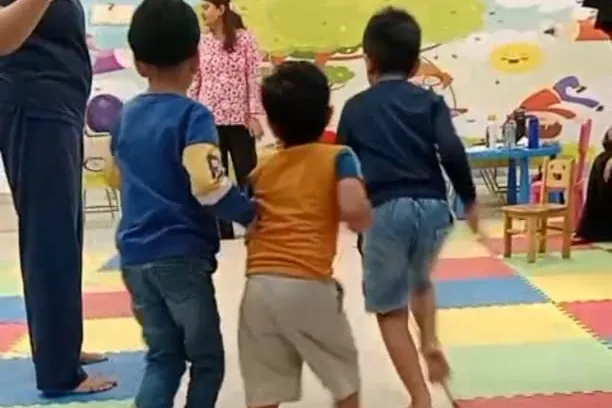
 Social Skills
Social boundaries help children recognize personal space, respect other people's feelings, understand appropriate behaviour, and build healthy relationships. While some children naturally develop these skills, others may need additional support to understand social rules and interact comfortably with others.
Many parents notice behaviours such as standing too close while talking, hugging strangers without permission, interrupting conversations, touching other people's belongings, or finding it difficult to understand when someone feels uncomfortable. These behaviours are usually not intentional. Instead, they may be linked to developmental differences, communication challenges, Autism Spectrum Disorder (ASD), ADHD, sensory processing difficulties, or delayed social skill development.
The good news is that social boundaries can be taught. With structured guidance, therapy, and everyday practice, children can develop the confidence and awareness needed to build meaningful friendships and positive social relationships.
Children who understand social boundaries are often able to build stronger friendships, participate confidently in school activities, respect personal space, develop empathy, understand emotions, and communicate more effectively.